If you need pest control North York for an attic infestation, the opening step is figuring out why pests focus on upper levels of the home and how local conditions make the problem harder to manage. In North York, ON, attic pest issues often involve wildlife intrusion and rodents that take advantage of small gaps along the roofline. Whether you’re dealing with raccoon removal, squirrel removal, mouse control, or rat control, the proper response depends on pinpointing the pest, reducing entry points, and selecting a safe removal method that keeps safe your home long term.
Attic problems can spread rapidly because they affect more than noise and inconvenience. They can lead to structural damage, contamination risk, and expensive repairs if the issue is ignored. For homeowners, landlords, and tenants in North York, practical attic pest control should combine wildlife removal, humane removal, exclusion work, cleanup, and preventive maintenance that addresses local pest pressures and housing styles.
How come attics are a regular access point for pests in North York
North York homes are especially vulnerable because the attic is often the hottest, quietest space in the house and one of the easiest places for pests to shelter. Small gaps around the roofline, aging vents, and weathered trim can create attic entry points that are hard to notice from the ground. Once pests find access, they may come back again and again, creating a recurring infestation if the problem is not fully sealed.
Seasonal pest activity is a significant factor in the Greater Toronto Area. As temperatures decline in fall and winter, pests move indoors to escape cold weather and food shortages. That shift is particularly noticeable in North York because the Toronto climate brings thaw-and-freeze swings, heavy snowfall, and moisture changes that can wear down shingles, flashing, and soffit edges. Over time, these conditions can open up roofline gaps and create easy access for rodents and wildlife.
Homes with older construction, additions, or recent roof repairs may also have weak points where pests can enter unnoticed. Detached homes often have more exposed roof area, while semi-detached homes and townhomes may share walls but still have vulnerable attic spaces, vents, and utility penetrations. In many cases, the real issue is not just one visible hole but a combination of small openings that require a detailed inspection process and complete entry sealing.
Common attic infestations found in North York properties
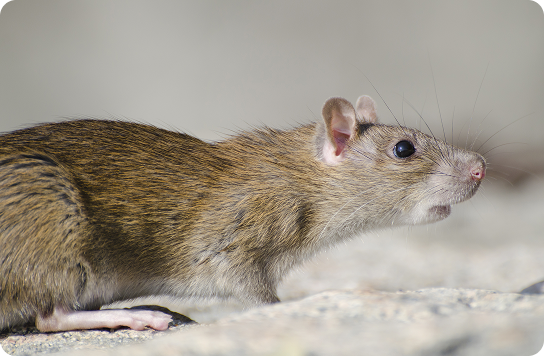
The most frequent attic pests in North York are raccoons, squirrels, mice, and rats. Every pest behaves differently, which is why proper identification matters before any treatment begins. A raccoon in the attic usually causes heavier structural damage and more noticeable nighttime activity. Squirrels are active in the early morning and may create repeated entry-and-exit patterns. Mice and rats are smaller but can cause major sanitation and fire hazards over time.
Raccoon removal often becomes necessary when an animal tears at soffits or roof vents to enter nesting spaces. Raccoons can be forceful, tenacious, and noisy, and they may bring young into the attic. Squirrel removal is common in homes near mature trees, where animals jump onto rooflines and exploit weak points. With rodents, mouse control and rat control are usually tied to food sources, warmth, and hidden pathways through the attic, walls, and utility chases.
Different pests also create different signs of pest activity. Wildlife may leave heavier damage and visible debris, while rodents tend to leave smaller but more widespread traces. Understanding the pattern helps determine the right mix of wildlife control, trapping, and repair work.
How to identify the pest by sounds, droppings, and damage
The easiest clues often come from scratching sounds, visible droppings, and gnawing damage. Raccoons usually make bulkier thumping or dragging sounds, especially at night. Squirrels often sound like fast movement, scurrying, or rolling activity in the early morning. Mice and rats tend to create softer but more frequent movement, often near insulation, pipes, or wall voids.
Rodent droppings are a reliable indicator of mice or rats, especially when they are found near insulation, stored items, or along attic pathways. Look for gnaw marks on wood, cardboard, and electrical components. If you notice shredded paper, insulation pulled into corners, or other nesting materials, that points to active nesting. Wildlife may also leave torn soffit edges, urine odor, or enlarged openings along the roofline.
Because symptoms can coincide, a skilled damage inspection is often the quickest way to identify the culprit. A technician can analyze the sound pattern, droppings, point of entry, and extent of damage to determine whether the issue is raccoons, squirrels, mice, rats, or a blend of pests.
Health-related and property-related risks from attic infestations
An attic infestation is not just an minor issue. It creates a genuine contamination risk for the entire home. Droppings, urine, and nesting debris can affect air quality and may carry dust and pathogens into living spaces through vents, ceiling gaps, and ductwork. In some homes, the initial clue of trouble is a persistent smell that suggests waste buildup or dead pests hidden in insulation.
Insulation damage is another serious concern. Animals can pack down, tear, or contaminate insulation, reducing energy efficiency and increasing heating costs. Insulation contamination is common when rodents tunnel through materials or wildlife use the attic for repeated shelter. Once the insulation is soiled, cleanup becomes a sanitation cleanup project rather than a simple repair.
There is also the risk of chewed electrical wires, which is extremely serious. Rodents can damage wire insulation while nesting or passing through the attic, creating fire hazards and costly repairs. Add in the presence of allergens from dander, droppings, and debris, and you have a situation that can affect the health of occupants and the long-term property protection of the building.
For landlords and homeowners alike, acting early decreases the chance of major structural damage and helps avoid a larger cleanup bill later. Even a small amount of attic contamination can spread if the problem is left alone.
Attic control approaches that deliver results in North York
Reliable attic pest control in North York starts with a complete inspection. A trained specialist should inspect the attic, roof perimeter, soffits, vents, fascia, and utility openings to find every access point. This step is important because pests often use multiple routes, and treating only the visible opening rarely solves the issue. A careful inspection process also determines the extent of damage, the species involved, and whether there are young animals present.
Next comes exclusion, which is the long-term solution for keeping pests out. Exclusion services focus on entry sealing and closing the gaps that allowed the infestation in the first place. This may include repairing roofline gaps, screening vents, reinforcing weak areas, and sealing vulnerable transitions where pests can return. In a climate with freeze-thaw cycles and heavy snowfall, exclusion work has to be durable and weather-resistant.
For active rodent problems, trapping may be part of the plan. For wildlife, live capture or targeted removal may be required depending on the species and local regulations. After removal, sanitization is critical. That includes removing contaminated debris, addressing odors, and cleaning areas impacted by droppings or nesting materials. Proper odor control can also help discourage animals from returning to the same location.
A complete service should also include repair recommendations for damaged vents, soffits, and insulation so the issue does not become a repeat problem.
Humane wildlife removal versus rodent control
There is an key difference between humane removal for wildlife and standard rodent control. With raccoons and squirrels, the goal is usually humane eviction or controlled wildlife removal that gets the animal out safely and prevents re-entry. This often involves one-way doors, which allow animals to leave but not return. Once the attic is confirmed empty, the opening can be sealed permanently.
Rodent control is more focused on setting traps, population reduction, and exclusion. Mice, rats, and other rodents multiply fast, so the removal method has to deal with both the existing activity and the pathways they use to travel. In many North York properties, the best outcome comes from combining traps, closing gaps, and thorough cleaning and sanitation. That approach protects the home while also reducing the chance of another infestation.
For homeowners who prefer an ethical solution, ethical wildlife control is often the best fit. For rodents, a practical control plan should still be safe, targeted, and designed to address the root cause rather than simply reacting to visible activity.
Preventive advice for keeping pests out year-round
Early prevention is the most budget-friendly part of attic pest control. Begin by checking the exterior and making sure you seal entry points before pests find them. This involves inspecting the roofline, eaves, flashing, utility penetrations, and openings near chimneys or vents. Tiny openings can be enough for mice or young squirrels to enter, so nothing should be dismissed as too minor.
Focus carefully to roof vents and soffits. These areas are some of the most common weak spots in North York homes, especially where age, weather, or previous repairs have left gaps. Damaged screens, loose covers, or warped materials can become easy access points. Since the Toronto climate can accelerate wear, it helps to inspect these areas before the cold season and after major storms.
A practical maintenance checklist should include:
- Examining the attic and roofline each season for new gaps or damage Watching for signs of pest activity such as droppings or scratching noises Pruning branches that touch or overhang the roof Checking vents, soffits, and fascia for wear Eliminating outdoor food sources and storing waste securely Planning preventive maintenance after heavy snow, wind, or freeze-thaw cycles
These habits support year-round protection and lower the risk of a recurring infestation. Practically speaking, prevention is about reducing access, limiting shelter, and making the home less attractive to pests in every season.
When you should contact a professional pest control company in North York
You should contact a professional when the infestation is present, the damage is expanding, or you cannot find the source. A company that specializes in pest control North York should have certified pest control technicians who understand both wildlife and rodent issues. This matters because attic problems often require more than a basic trap; they need experience, safe removal, sealing, and cleanup.
Another reason to call a pro is how severe the infestation is. If you are hearing constant sounds, seeing repeated droppings, or noticing new damage, https://mosquitoman.ca/pest-control/north-york/ the problem may already involve a group of animals or an expanding rodent population. That is especially true when there is visible insulation damage or damaged electrical wiring. In those cases, delaying treatment can increase repair costs and health risks.
Choose a company with regional experience in North York and the surrounding Toronto area. Local knowledge matters because homes in older low-rise neighbourhoods, detached houses with larger rooflines, and newer townhomes can all have different access patterns. A company that understands local pest issues can also recommend the right seasonal strategy and more durable exclusion work.
Look for guaranteed service when possible. While no provider can control every outside factor, a good guarantee shows confidence in the inspection, removal, and sealing process. It also gives property owners more peace of mind when dealing with a stressful attic problem.
What to expect from an attic pest control visit
A qualified attic pest control visit usually begins with an initial inspection of both the exterior and the attic itself. The technician will check for droppings, nesting, entry holes, rub marks, and damage to vents, soffits, and insulation. They may also identify where the pest is entering and leaving, which is essential for planning the right treatment.
After the inspection, you should receive a detailed treatment plan. This may include trapping, humane removal, exclusion work, sanitization, and repair recommendations. If wildlife is involved, the plan should describe how the animals will be removed and what will happen after the attic is clear. If rodents are present, it should also cover how the technician will control the population and close access points.
Many services also include a follow-up visit. This is valuable for checking traps, confirming that no animals remain inside, and making sure the sealing work is holding up. The best companies also provide repair recommendations for damaged insulation, vents, or roofline components so the home can be restored properly.
Overall, a good service visit should feel organized, educational, and focused on prevention as much as removal. That is what makes attic pest control reliable instead of temporary.
North York-specific considerations for homeowners and landlords
North York has a mix of detached homes, semi-detached homes, townhomes, and rental properties, and each type presents different attic risks. Detached homes may have larger rooflines and more access points. Semi-detached homes can share construction details that make sealing more complex. Townhomes often have tighter access and shared exterior elements that require careful coordination. Rental properties need prompt response so tenants are not left dealing with odors, noise, or health concerns.
Mature low-rise properties can be highly susceptible because time, weather, and past repairs may have damaged roof vents and soffits. In neighbourhoods across North York, changing seasons in the Greater Toronto Area can create predictable waves of activity, especially when fall turns to winter. That is when wildlife and rodents move indoors more boldly, making seasonal infestations a common concern.
For many landlords, prompt response is important for safeguarding property and tenant peace of mind. For homeowners, it is about reducing repair expenses down and stopping major attic contamination. Either way, a local company that understands North York housing patterns, Toronto weather, and the pressures of nearby urban wildlife is better equipped to offer the best outcome.
FAQs about attic pest control in North York
What are the typical attic pests in North York?
The most common attic intruders in North York are raccoons, squirrels, mice, and rats. These pests are attracted to warmth, protection, and peaceful nesting spots, especially during fall and winter when outdoor conditions become harsher. In many cases, the first signs are scrapes, droppings, or obvious damage around the roofline.
How do I know if I have a raccoon, squirrel, or rodent in the attic?
Raccoons often produce heavier noises, bigger harm, and bigger entry holes. Squirrel activity often produce quick running noises in the early morning and may result in chewed wood or debris. Rodent activity like mice and rats create smaller-looking droppings, gnaw marks, and lighter scratching noises. A trained inspection can confirm the species and determine the right removal method.
Is attic pest control in North York humane?
It is possible. Safe removal is often used for animals such as coons and squirrels, often with one-way doors or other exclusion methods that enable the animal to exit safely. Rodent control is handled differently, but it can still be managed responsibly with targeted trapping, entry-proofing services, and cleanup services. Check on humane options before treatment begins.
How much does pest control North York cost for attic pests?
Service pricing depends on the type of pest, infestation severity, attic size, access difficulty, and whether repairs or sanitization work is needed. Exclusion and wildlife removal can cost more than simple rodent control because the job often includes inspection, sealing, and follow-up. The best way to get an accurate price is through an on-site assessment from licensed pest control technicians.
How can I prevent pests from returning to my attic?
The best prevention strategy is to seal entry points, maintain roof vents and soffits, and schedule preventive maintenance before seasonal infestations begin. Maintain trimmed branches, inspect for roofline gaps after storms, and address any signs of pest activity right away. Regular upkeep is the strongest way to support year-round protection and avoid a recurring infestation.